

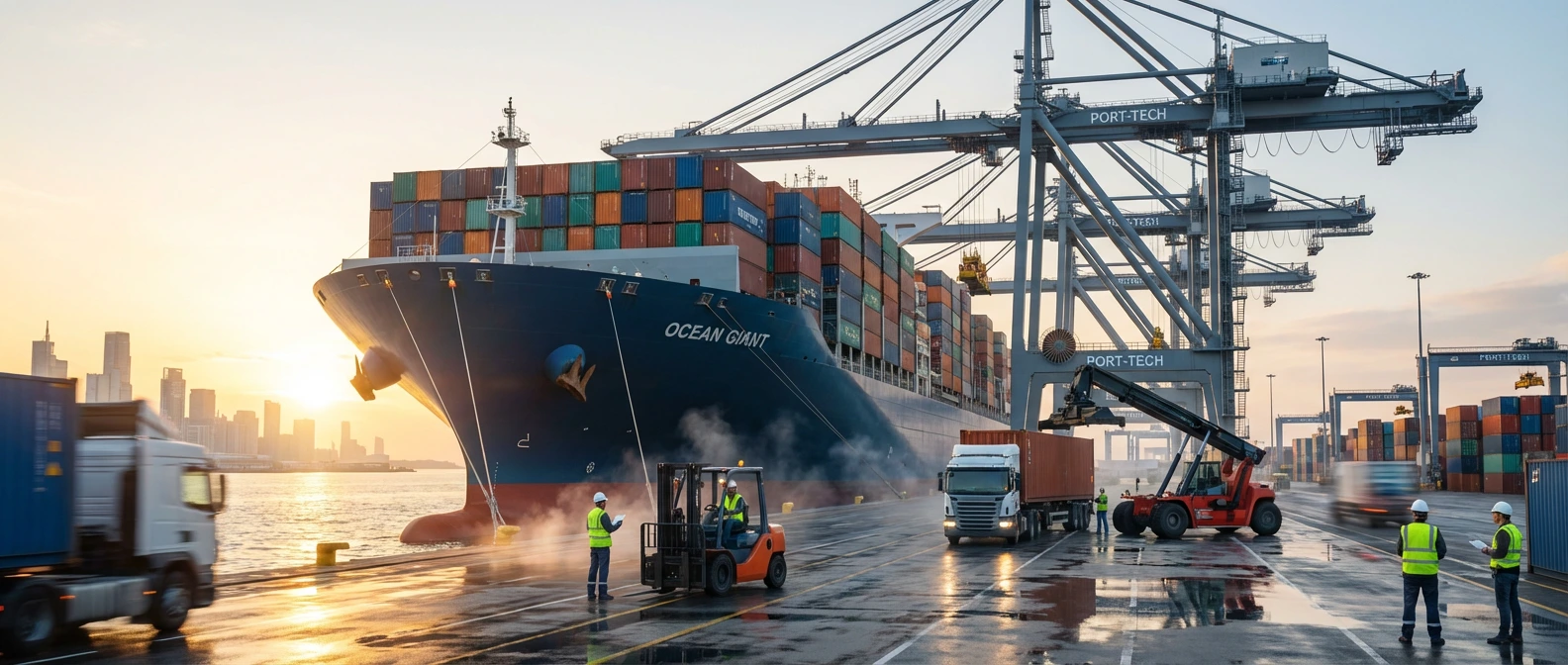
Mastering the global market begins with a single, well-planned shipment. This comprehensive guide details the essential roadmap to turning your local business into a thriving international enterprise.
Becoming a successful exporter requires a strategic blend of legal registration, targeted market research, and robust logistics planning. By securing your export license, finding the right buyers, and mastering documentation, you can scale your brand globally. This guide provides the exact steps to navigate trade regulations and ensure safe, profitable international transactions.
According to UN Trade and Development (UNCTAD), global trade surpassed the record-breaking $35 trillion mark in 2025, proving that international demand remains at an all-time high for new businesses.
According to the World Trade Organization (WTO), world merchandise trade volume is projected to grow by 2.4% through 2025, specifically bolstered by massive demand in AI-related goods and services.
Finding reliable partners is the “make or break” moment for any new exporter. In today’s digital landscape, you should leverage a mix of online B2B marketplaces like Alibaba or Global Sources alongside traditional methods like attending international trade fairs.
Imagine the excitement of receiving your first inquiry from a distributor after showcasing your products at a trade show in your local convention center. Validating these buyers through customs data and bank references is crucial to ensure they are reputable and financially stable before you sign any contracts.
According to the DP World Global Trade Observatory 2026 Report, 94% of supply chain executives expect trade growth to match or exceed previous years, signaling a confident environment for finding new buyers.
According to Allianz Trade’s 2026 Economic Outlook, global business insolvencies are predicted to rise by 5% this year, making trade credit insurance a vital safety step for new entrepreneurs.
The path to becoming a global exporter is a marathon, not a sprint, but the rewards of international growth are immense. Stay persistent, keep learning about evolving trade policies, and watch as your business reaches corners of the world you once only dreamed of!
According to the Commerce Institute 2025 Data, the one-year survival rate for wholesale and trade-based businesses is roughly 78.2%, highlighting that structured planning leads to long-term success.