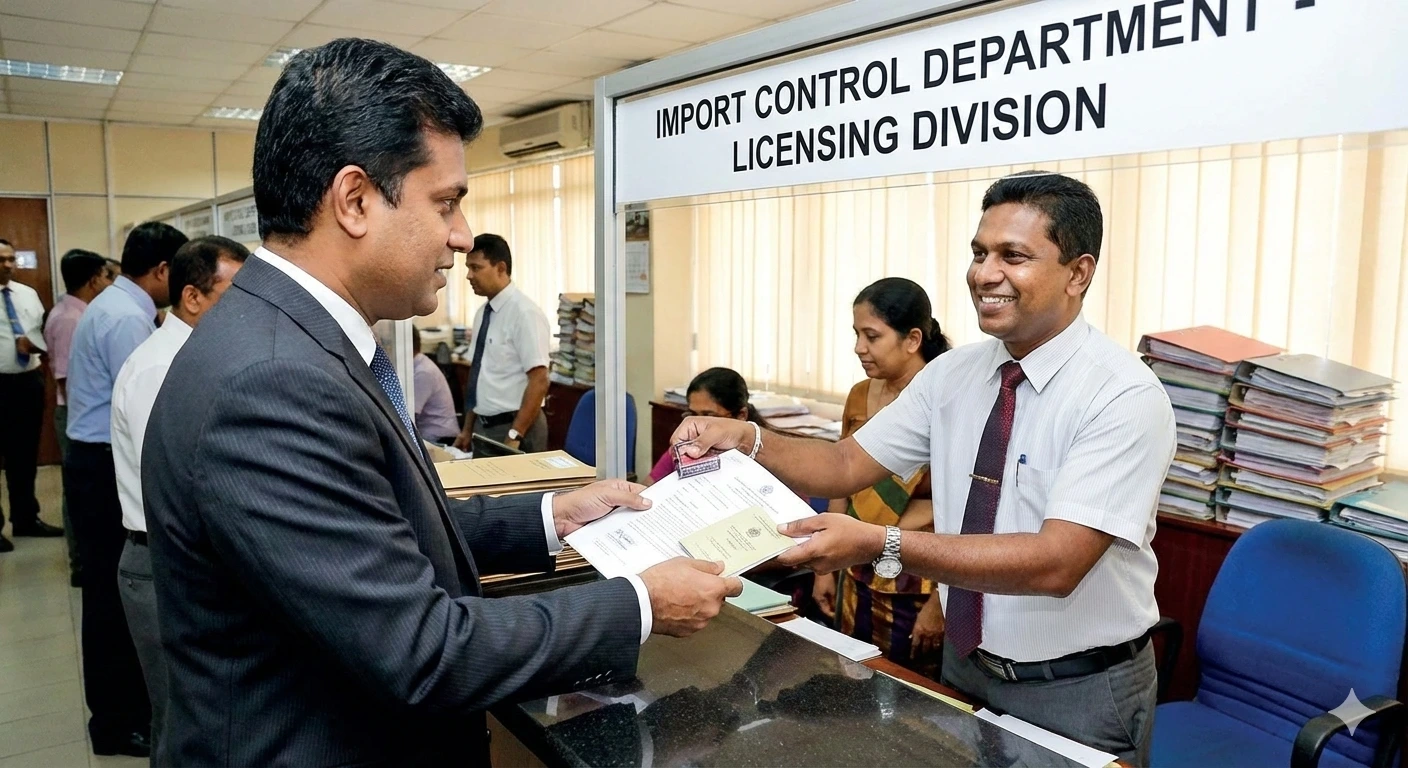
Master the complexities of global trade and ensure your products reach international markets legally and efficiently. This detailed guide simplifies the essential licensing steps for every ambitious Sri Lankan entrepreneur.
Understanding importation licenses for Sri Lankan exports is critical because these permits determine if your buyer can legally receive your goods. While the importer typically applies for the license, the exporter must provide the necessary technical data and certifications to satisfy foreign customs. In 2026, staying ahead of digital trade regulations ensures your shipments avoid costly port delays and potential seizures.
Why are importation licenses strictly required?
- Regulating Market Flow: Governments use these licenses to control the volume of specific goods entering their country, protecting local industries from being overwhelmed by foreign competition.
- Ensuring Public Safety: Licenses act as a filter for products like pharmaceuticals, chemicals, and food items, ensuring they meet the health standards of the destination market.
- Environmental Protection: Many countries require permits for timber, spices, or rubber products to verify they were produced sustainably and don’t carry invasive pests or diseases.
- National Security Measures: Specific permits are required for dual-use items or high-tech equipment to ensure they are not used for unauthorized military or surveillance purposes.
According to the UN Trade and Development (UNCTAD), non-tariff measures like import licensing now affect nearly 70% of global trade value, making regulatory compliance the most important factor for export success in 2026.
Which Sri Lankan goods need permits?
- Ceylon Tea and Spices: Most Western markets require sanitary and phytosanitary (SPS) certificates and specific import permits to ensure the products are free from pesticides and contaminants.
- Apparel and Textiles: While many quotas have been removed, some nations still require importation licenses to monitor trade volumes and ensure ethical labor practices are followed in the supply chain.
- Value-Added Rubber Products: Items like industrial tires or surgical gloves often require technical safety certifications and import permits from the destination’s health or industrial departments.
- Gems and Jewelry: Exporting precious stones involves strict licensing to prevent money laundering and ensure the stones are ethically sourced according to international Kimberley Process standards.
- Processed Food Products: Coconut-based products, fruit juices, and canned goods are subject to rigorous import licensing in the EU and North America to meet strict food safety and labeling laws.
According to the Sri Lanka Export Development Board (EDB), the country has set a 2026 target of $20 billion in export earnings, driven largely by high-value, licensed products in the green technology and organic food sectors.
How to verify your buyer’s license?
- Request the HS Code: Start by identifying the correct Harmonized System (HS) code for your product, as this number dictates exactly which importation license your buyer will need to apply for.
- Review the Proforma Invoice: Provide your buyer with a detailed Proforma Invoice that they can present to their local Ministry of Trade to initiate the import permit application process early.
Imagine a small tea producer in the mist-covered hills of Nuwara Eliya preparing their first large order for a distributor in Germany. If the German buyer fails to secure the necessary organic import permit before the ship docks, those premium leaves could sit in a warehouse, losing their freshness and value.
The emotional weight of seeing your hard work stuck at a foreign port is a stress no entrepreneur should face. By double-checking that your buyer has their paperwork ready at their local customs office, you protect your investment and your reputation as a reliable global partner.
Where to get export license help?
- Consult the EDB Office: Visit the Export Development Board office in Colombo to get the latest information on trade agreements that might simplify or waive license requirements for specific countries.
- Hire a Trade Consultant: For complex products like pharmaceuticals or electronics, hiring a specialized consultant can help you navigate the specific legal language required for foreign importation licenses.
Using digital platforms like the National Single Window (NSW) allows you to track documentation progress in real-time. This transparency reduces the risk of human error and ensures that all parties—exporter, importer, and customs—are on the same page from day one.
When you walk into your local chamber office for advice, remember that every successful Sri Lankan exporter started exactly where you are. Navigating these rules is simply a part of the professional growth required to turn a local brand into a household name in a distant land.
Pro Tips / Safety Advice
- Check License Validity: Always verify the expiration date on your buyer’s import license to ensure it remains valid during the entire duration of the sea or air transit.
- Match Documents Exactly: Ensure that the weights, values, and descriptions on your Commercial Invoice match the details listed on the buyer’s importation license perfectly to avoid flags.
- Understand Incoterms: Use the correct Incoterms in your contract to clearly define whether you or the buyer is responsible for handling the costs associated with license delays or inspections.
- Keep Digital Backups: Maintain a cloud-based folder with all your certifications and a copy of the buyer’s license so you can provide them instantly if a customs officer asks.
- Monitor Policy Changes: Trade laws can change overnight due to political shifts; subscribe to trade newsletters to stay informed about new licensing requirements in your top export markets.
Final Thoughts / Encouragement
The journey to becoming a top-tier exporter from Sri Lanka is paved with paperwork, but each license you navigate is a badge of your business’s professionalism. Don’t let the technicalities discourage you; instead, view them as the safety checks that keep global commerce fair and secure.
With the right preparation and a proactive mindset, you can successfully navigate importation licenses and watch your Sri Lankan business thrive on the world stage. Your passion for your product is the engine, and these licenses are simply the road signs pointing you toward global success!
Read Also: How to Become an Exporter: A Step-by-Step Guide for New Entrepreneurs